Senator Banks has introduced a comprehensive legislative package addressing various aspects of immigration policy, emphasizing the urgency for action as Republicans look to secure key legislative achievements ahead of the midterm elections. The proposed bills aim to codify new policies concerning birthright citizenship, visa programs, commercial driver’s licenses, and other immigration-related issues.
Banks underscored the importance of these measures, expressing concern over the potential for a future Democratic majority, which he characterized as a “Democrat-Socialist majority.” He asserted that factions within the Democratic Party advocate for open borders, the abolition of Immigration and Customs Enforcement (ICE), and policies that are anti-law enforcement, including defunding the police.
While acknowledging that current Senate Democratic leadership does not align with the Democratic Socialists of America, Banks contended that a future Senate under Democratic leadership would eventually be influenced by the party's socialist wing.
"I cannot believe that the Democrats are so radical and extreme today that they're OK with what's happened to our country [with] illegals taking jobs for Americans or allowing illegals to be behind the wheel of semi-trucks," Banks stated, referencing his proposed "Dalilah Law."
The "Dalilah Law" and Commercial Driver's Licenses
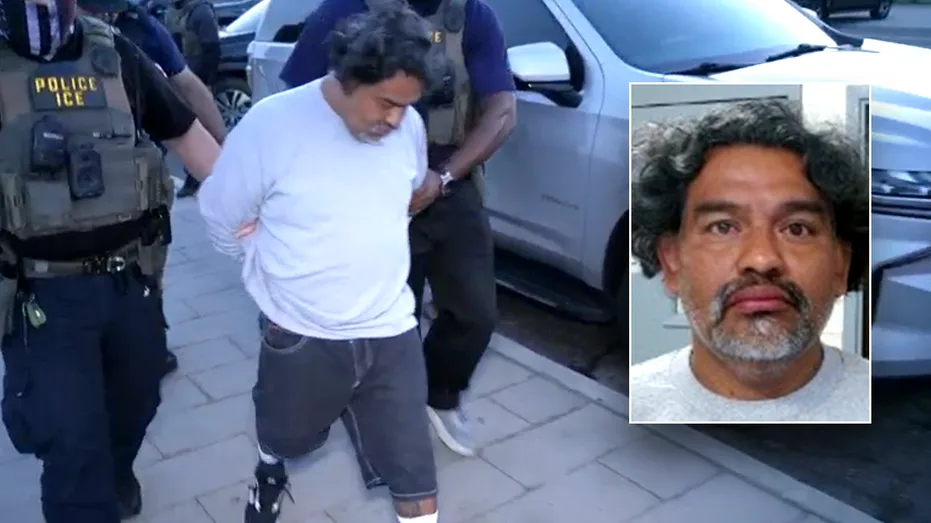
One of the central pieces of the package is the "Dalilah Law," named in honor of first-grader Dalilah Coleman. Coleman sustained critical injuries in a multi-car collision on an Indiana highway caused by an undocumented immigrant operating a commercial big rig. The driver, Partap Singh, an Indian national, held a commercial license issued in California. Dalilah Coleman endured catastrophic injuries, requiring months of hospitalization and undergoing a craniectomy.
Supporters describe the Dalilah Law as a commercial driver’s license (CDL) equivalent to the Laken Riley Act. This legislation would mandate that states cease issuing commercial driver’s licenses to undocumented immigrants and certain foreign nationals. Additionally, it would require states to revoke specific existing licenses and administer commercial driving tests exclusively in English.
Banks drew a parallel between this CDL initiative and Congress’s efforts during the Reagan administration to raise the national drinking age by leveraging federal transportation funding. He highlighted instances where Indiana residents have reportedly been injured or killed in accidents involving foreign drivers licensed by what he termed “states that hand CDLs out like candy,” specifically mentioning California, Pennsylvania, and New York.
Reforming Temporary Protected Status
The legislative package also seeks to grant Congress greater authority over the Temporary Protected Status (TPS) program. Banks argued that previous Democratic administrations have misused this authority. He believes that by legislating and empowering Congress to determine the appropriateness of TPS designations, these issues could be effectively managed, even after presidential terms conclude.
"If we legislate it and give Congress power to determine when TPS is appropriate when it's not, then we'll be able to address these issues long after President Trump leaves the White House," Banks commented.
Overhauling the H-1B Visa Program
Another significant bill within the package, the American Tech Workforce Act, proposes to substantially increase the minimum salary threshold for many H-1B visa positions from $60,000 to $150,000. Experts suggest that such a change would significantly alter the incentives for companies looking to hire young foreign workers.
Immigration attorneys have voiced concerns that Banks’s bill could diminish the United States’ appeal as a study destination, potentially encouraging international talent to seek opportunities in countries like Canada instead. The Texas-based firm Reddy Neumann & Brown noted on its website that many employers would likely find it difficult or impossible to meet the increased salary threshold, effectively limiting H-1B hiring to major technology companies or highly specialized roles.
Conversely, proponents of the changes argue that raising the salary floor would enhance opportunities for American graduates entering the job market after completing their education.
Broader Immigration Initiatives
Beyond these specific measures, the comprehensive package includes additional proposals aimed at strengthening border security, providing further funding to the Department of Defense for these efforts, restricting chain migration, and targeting grants to colleges that employ undocumented immigrants.
Banks summarized the package as embodying "common sense" principles, encompassing everything from preventing undocumented individuals from driving semi-trucks and banning birthright citizenship, to halting chain migration and addressing the misuse of H-1B visas for inexpensive labor.