A prominent legal analyst is advocating for significant changes in the leadership of the Smithsonian’s National Museum of American History (NMAH), arguing that the institution has adopted a negative, "self-loathing" perspective on the nation’s past.
"Instead of looking at American history chronologically with all the triumphs and tragedies, including slavery, and then the things that our country did to eradicate the vestiges of slavery, and then passing the 13th, 14th and 15th Amendments and the Civil Rights Acts and getting rid of various other laws that were discriminatory in practice or in spirit. They take a very pro-reparations, ‘we’re a bad country,’ oppressor-versus-oppressed narrative."
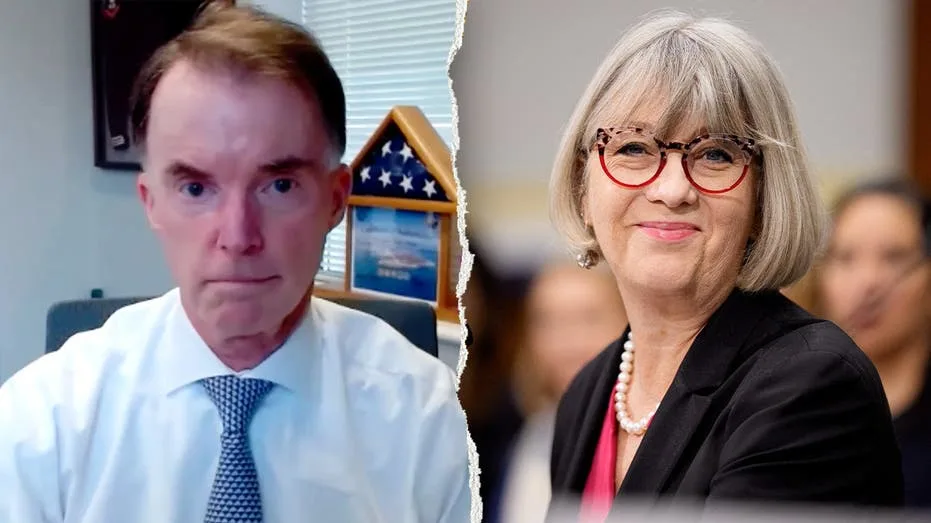
These remarks follow a White House report from July 2026, which alleged that the Smithsonian was promoting diversity, equity, and inclusion (DEI) and left-leaning agendas. This report subsequently led to a series of intense congressional hearings, bringing National Museum of American History Director Anthea Hartig under national scrutiny.
Lawmakers voiced concerns that museum leaders were allowing political activism to influence exhibitions and historical presentations. In response, Hartig asserted that the museum remains nonpartisan and "does not take sides in America’s political debates."
Critiques of Historical Portrayal
Stimson described the information revealed during the hearings as "bile that they’re trying to pass off as history," adding that "sunlight’s a good disinfectant." He further criticized Director Hartig, stating,
"If the head of the Smithsonian had any shame whatsoever, she would have resigned in disgrace already and she doesn’t have any shame because she’s perfectly happy with what she’s done. She’s just the pointy end of the radical spear that’s out there trying to force this thing down the throats of Americans."
Stimson contended that Hartig should have been dismissed "the minute after the hearing" due to what he characterized as her "smug and self-righteous" demeanor during her testimony and her perceived failure to accept responsibility.
"Her little writing the question down and her smugness was really evincing of what she really thinks of the American people and congressional oversight," he observed.
Reflecting on America's 250th anniversary celebrations in July, when large crowds gathered in Washington D.C., Stimson expressed dismay that families and children visiting the museum encountered "all sorts of disgusting things, bondage, and all sorts of other nasty things" instead of a celebratory atmosphere.
The White House report and subsequent hearings highlighted several controversial exhibits. These displays allegedly included sexually explicit content, focused heavily on themes of race, gender, and sexuality, and depicted the Founding Fathers primarily through their connections to slavery rather than their pivotal roles in establishing the United States.
"There should be an entire section dedicated toward the Founding Fathers and the Constitutional Convention of 1787 and the Reconstruction Amendments and all the things that happened, the Civil War, but no," Stimson lamented.
Stimson emphasized that the U.S. has navigated numerous challenges "to get beyond the ugly parts of our history," providing ample reasons for contemporary Americans to celebrate the nation.
"We should not have a museum dedicated to flagellation and self-loathing," he asserted. "That is not how you celebrate your country."
While many Democratic lawmakers have accused Republicans of attempting to "whitewash" history, Stimson dismissed this claim. He argued that celebrating America does not necessitate ignoring the less favorable aspects of its past.
"Celebrating doesn’t mean whitewashing history," he clarified. "Every civilization throughout mankind has had slavery. That doesn’t make it right, it makes it reality."
Broader Educational Concerns
Stimson further noted that this particular approach to teaching history extends beyond museums, describing it as a "something you need to be aware of."
"You see this in higher ed, you see this unfortunately in high school and even below in lower schools, and unfortunately at our premier national museums, including the American History Museum," he stated.
He suggested that the public should draw lessons from the COVID-19 pandemic, a period when parents, isolated at home, gained direct insight into their children's educational content.
"That’s why you saw more and more homeschoolers, more and more people in the school choice movement just explode across the country," he explained.
He added that "parents are the first educators of their children" and bear the responsibility "to present American history" accurately. According to Stimson, a comprehensive reset is precisely what the museum requires.
"That’s all it is," he concluded. "It’s bile. It needs to be ripped out, root and branch, and redone."