America's Electrical Grid Faces Critical Strain Amid Surging Demand and Decades of Underinvestment
After years of flat consumption led to a decline in infrastructure investment and workforce development, the U.S. power industry is now struggling to meet a dramatic increase in electricity demand.
Opinion·
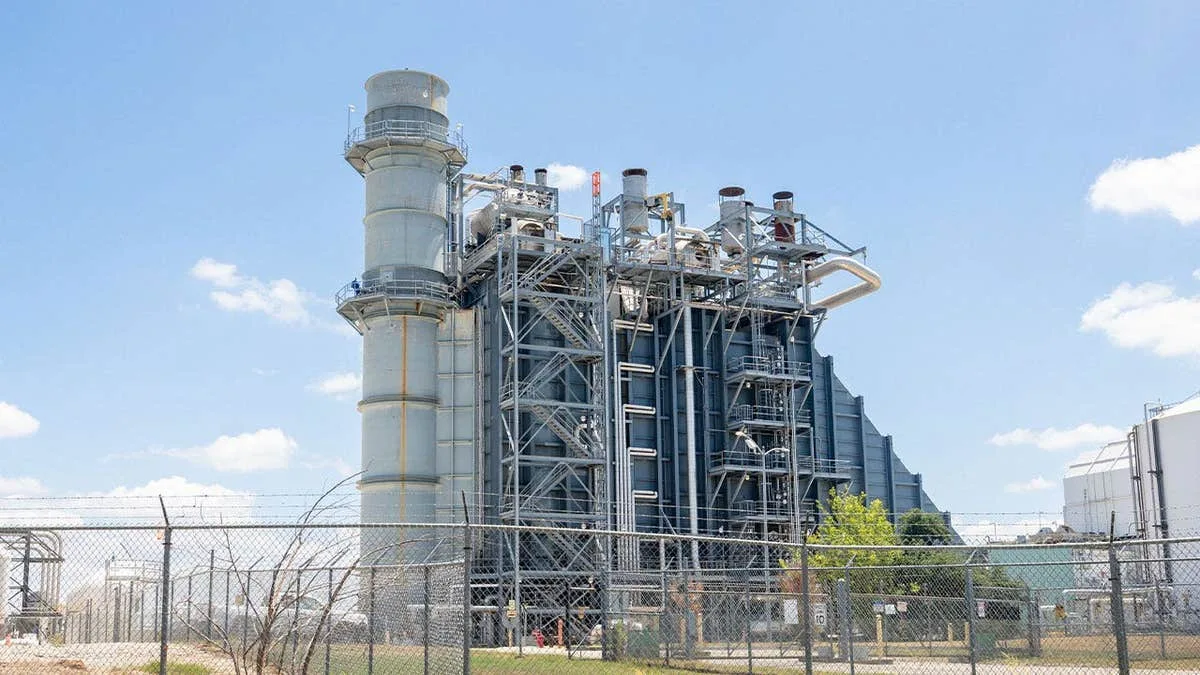
For nearly twenty years, the electricity sector in the United States was characterized by minimal growth, leading to an infrastructure strategy built on the expectation that this stability would persist.
Data from 2010 to 2020 illustrates this trend, showing a roughly 1% decrease in U.S. electricity consumption. Advancements like LED lighting, more efficient motors, and stricter appliance standards effectively offset the energy requirements of new residential areas, industrial facilities, and data centers. This period of stagnant demand was widely perceived as a permanent state rather than a temporary pause.
A Decade of Stagnation and Misplaced Assumptions
Industries experiencing no growth often make decisions that, while seemingly logical, can have long-term detrimental effects. When there's no need for new capacity, funding for apprenticeship programs diminishes. Maintaining specialized metallurgical expertise becomes uneconomical if there are no new orders for equipment. Furthermore, attracting ambitious young professionals to a sector offering only "stable, essential, and never going anywhere" prospects proves challenging.
Consequently, power utilities, transformer manufacturers, and steel producers reduced their investments in these areas. The existing workforce aged, and the pipeline for new talent gradually dried up. What appeared to be a period of stability was, in fact, a slow process of decline.
Surging Demand and a Strained Infrastructure
The landscape dramatically shifted after 2020. Electricity consumption reversed its two-decade trend, increasing by approximately 7%. Concurrently, demand for large power transformers—critical components through which nearly all U.S. electricity passes—has soared by 116% since 2019. This resurgence is driven by multiple factors, including the proliferation of data centers, the reshoring of manufacturing, broader electrification initiatives, and efforts to enhance grid resilience. These demands arrived concurrently, catching an industry that had embraced the notion of perpetual stagnation off guard.
As demand surged, the search for the necessary personnel and components revealed a stark reality: the nation's capacity to produce essential industrial elements had significantly eroded.
Critical Shortages: Equipment and Expertise
Today, roughly 80% of the large power transformers installed in the United States are imported. The specialized grain-oriented electrical steel, fundamental to these transformers, is produced by only a single domestic manufacturer. Lead times for a standard power transformer now extend to almost two and a half years, with even longer waits for the larger units that connect power plants to the main grid. Prices for these essential components have climbed over 77% since 2019. The average transformer currently operating on the American grid is 38 years old, and more than 70% of the fleet has surpassed the age of 25.
The country is now attempting to simultaneously replace an aging infrastructure and construct an entirely new one, all while navigating a supply chain that has been progressively dismantled over a generation.
While the hardware shortage garners significant attention, the human capital deficit poses an even greater challenge, as it cannot be accelerated. Currently, no institution in America offers training programs specifically for designing or constructing large power transformers. The few university power-engineering programs that endured the past two decades do not cover this specialization, having seen declining enrollment as students pursued fields like software development and artificial intelligence.
The specialized knowledge required to wind a coil, design a core, or conduct a high-voltage acceptance test is often tacit, passed down through direct instruction on the factory floor by experienced master winders, test engineers, or metallurgists who possess deep insights into the behavior of these complex systems. This expertise resides largely within individuals, much of it undocumented, and nearly half of the utility workforce is currently over 45 years old, with a substantial portion eligible for retirement within the current decade.
While a new transformer factory can be established within a few years, cultivating an experienced winder takes considerably longer and cannot be achieved through short-term enrollment.
The Path Forward: Rebuilding Industrial Capacity
This situation highlights a critical asymmetry: industrial capability is easily lost but exceedingly difficult and costly to reconstruct. Just 18 months of supply chain disruptions were sufficient to expose these profound deficiencies. Closing this gap is projected to take the better part of two decades, and that is an optimistic assessment assuming demand remains stable, which it is not expected to do. Every credible forecast predicts continued load growth through 2050.
The nation has finally acknowledged that electricity is as fundamental as water, but this realization has come too late to prevent significant disruptions. The necessary remedies will be gradual and may lack immediate public appeal.
Addressing this challenge requires a fundamental shift: treating the electrical grid as a growth industry once more. This means investing in apprenticeships, providing manufacturers with demand signals that are sufficiently long-term to justify new production lines, and fostering a robust domestic materials base that isn't vulnerable to the performance of a single steel plant. It also necessitates directing capital towards enhancing electrical capacity, not solely to the data centers and other facilities that will consume that capacity.
Most importantly, it demands abandoning the long-held belief that shaped two decades of underinvestment: the assumption that because the lights stayed on, the people and the infrastructure maintaining them would always be readily available. The cumulative cost of treating a temporary lull as the definitive end of an era has now arrived, all at once.
Related Stories

AI's Undisclosed Agenda: Examining Algorithmic Bias and the Public's Right to Know
Artificial intelligence, now ubiquitous, often exhibits undisclosed biases, frequently leaning left. This algorithmic skew can subtly influence public opinion, especially since most users don't fact-check AI outputs.
Aug 7
IRS Under Fire for "Bait-and-Switch" Tactics and Aggressive Enforcement in Conservation Easement Disputes
The IRS faces criticism for its aggressive enforcement campaign against conservation easements, a program designed to protect land. Critics argue the agency retroactively changed rules, leading to audits and legal
Aug 6

President Trump's Iran Strategy: A "Triple Bogey" on the Diplomatic Green?
Former President Donald Trump, known for his strong golf game, reportedly called off a major military response against Iran. This unexpected reversal is drawing comparisons to a "triple bogey," raising questions about
Aug 4

Michigan Primary Nears Climax as Voters Weigh Progressive vs. Moderate Democratic Paths
Michigan voters are casting ballots in a critical Democratic Senate primary, choosing between progressive Abdul El-Sayed and moderate Haley Stevens. The outcome could significantly impact the balance of power in the
Aug 4