Internal Communications Reveal COVID-19 Origin Paper Authors Held Private Doubts About Public Conclusions
Private communications among authors of a key COVID-19 origin paper suggest internal doubts about the virus's source, contradicting their public assertions.
Politics·
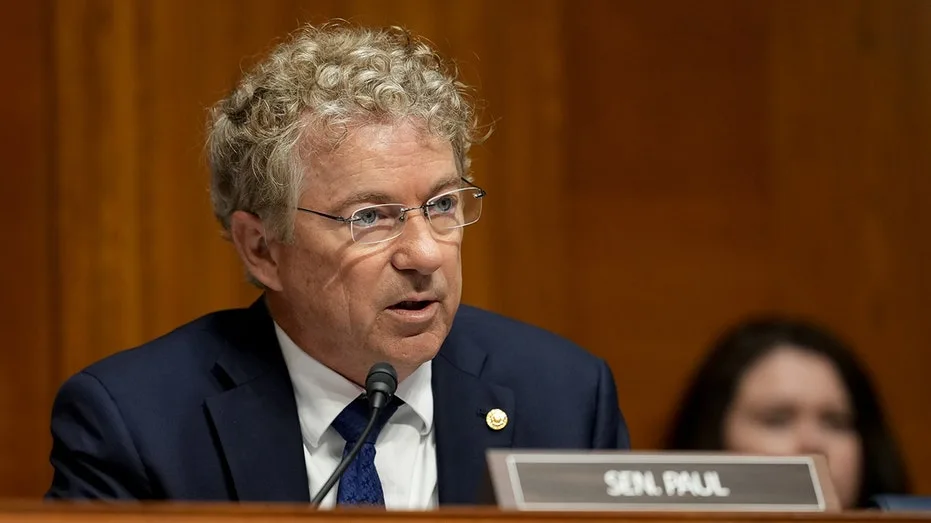
Internal messages exchanged among the authors of a highly influential scientific paper concerning the origins of COVID-19 have been released, appearing to show that these scientists privately harbored reservations about the virus's natural origin, a stance that diverged from their published findings.
Senator Rand Paul, a Republican from Kentucky, made public these internal Slack communications on Tuesday. The messages were exchanged between Kristian Andersen, Robert Garry, Eddie Holmes, and Andrew Rambaut, the co-authors of the paper titled "The Proximal Origin of SARS-CoV-2."
Published in Nature Medicine in March 2020, this paper was frequently cited by public health officials and media outlets as definitive scientific evidence against the theory of a laboratory origin for SARS-CoV-2. However, the newly disclosed messages suggest the authors' certainty was considerably less firm than their public conclusions indicated.
Several authors within the group voiced concerns that the virus might have originated in a laboratory setting.
Andersen, for instance, estimated a 30% probability of a lab origin, while Holmes initially put the likelihood at 20%, later adjusting it to 10%. Both these figures stand in contrast to the paper's public assertion that the virus showed no signs of manipulation.
"The part I’m really struggling with is that, at the end of the day, we really don’t have any hard evidence one way or the other — and especially given some of the recent evidence, we also can’t rule out that somebody actually put it in there," Andersen wrote on June 11, 2020, according to the documents. "That’s obviously not to say that somebody did, but we can’t rule it out. Our paper was pretty strong in saying ‘there’s no way,’ but I have less confidence in that statement at this stage."
Internal Discussions and Scientific Skepticism
The documents further reveal internal discussions surrounding the furin cleavage site, a genetic characteristic central to the debate about a potential lab leak. At one point, Andersen communicated to his collaborators that certain "smoking(ish) guns" had emerged, causing him discomfort and leading to his reduced confidence "at this stage," as detailed in a news release from Senator Paul's office.
Additionally, the authors coordinated with members of the U.S. intelligence community and leadership at the National Institutes of Health (NIH) while simultaneously presenting their conclusions publicly. Ralph Baric, a prominent researcher in coronavirus studies, was another recurring subject in the authors' discussions.
While acknowledging Baric's expertise, their private exchanges portrayed a deeply strained professional relationship marked by rivalry and suspicions that he was actively attempting to undermine their work.
They also suspected Baric might be the anonymous individual they referred to as "Deep Throat," who allegedly disclosed confidential peer-review information to a journalist. This leak suggested that the paper's authors had initially considered a lab origin before subsequently altering their perspective.
Broader Context of COVID-19 Origin Investigations
Last year, a scientific advisory group from the World Health Organization (WHO) published a report on the origins of COVID-19. Their findings concluded that the devastating pandemic resulted from a "zoonotic spillover," either directly from bats or via an intermediate host species.
In a related development on Monday, Senator Paul released documents indicating that U.S. Customs and Border Protection (CBP) agents were preparing to interview British zoologist Peter Daszak upon his return to the United States from a WHO investigation into COVID-19 origins. However, the Federal Bureau of Investigation (FBI) reportedly intervened and instructed agents to halt the questioning.
Dr. Anthony Fauci, who became a prominent public figure during the U.S. pandemic response, is scheduled to provide testimony before the Senate Homeland Security and Governmental Affairs Committee later this month regarding the virus's origins. This appearance follows a subpoena issued by Senator Paul, who chairs the committee.
Dr. Fauci has faced accusations from some critics of manipulating intelligence concerning the pandemic's origins and providing misleading information to Congress to conceal alleged misconduct.
Related Stories
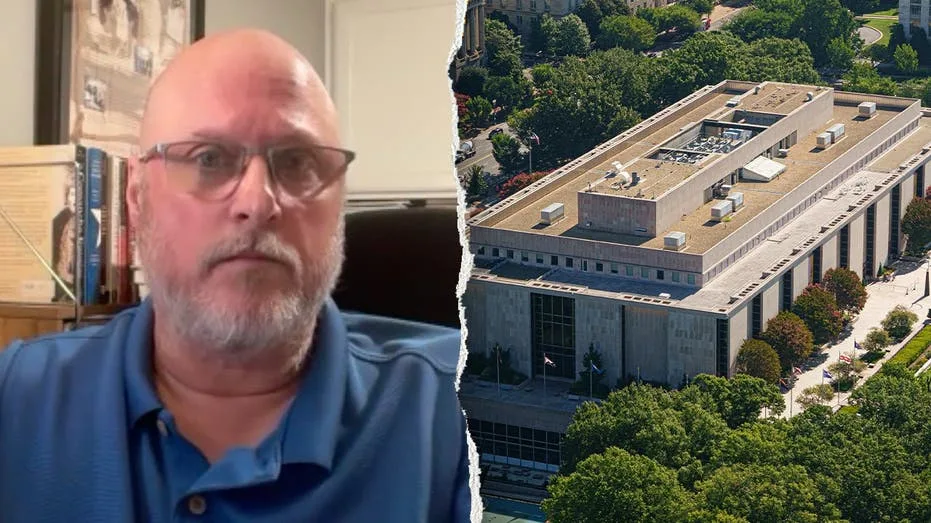
Historian Alleges Smithsonian Prioritizes Activism Over Education After First Visit in a Decade
A historian critiques the Smithsonian's National Museum of American History, alleging a shift from impartial education to activism. His first visit in over a decade revealed a significant departure from its traditional
Aug 4
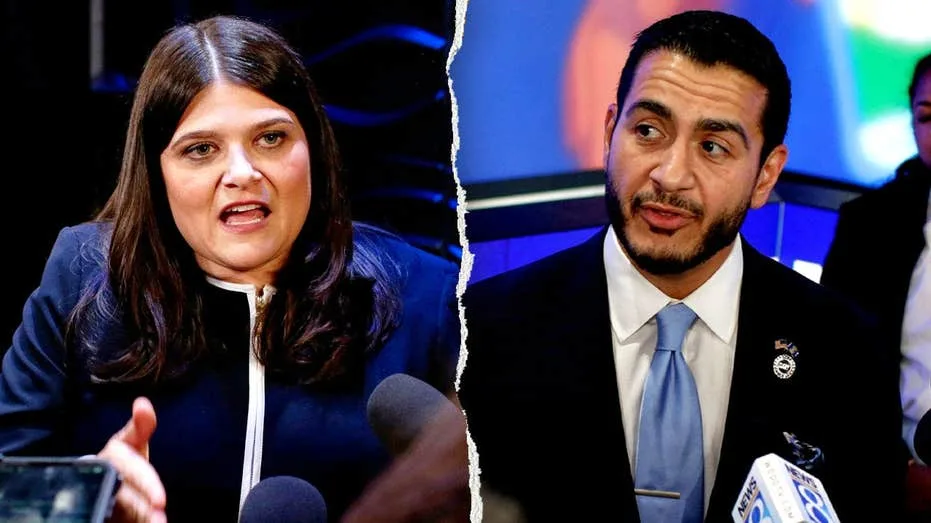
Michigan Primaries Highlight Democratic Ideological Divide and Test Trump's Endorsement Power
Michigan's primary election is a battleground for the Democratic Party's future, featuring a high-stakes Senate race between a progressive and a moderate. The contest also tests former President Trump's endorsement
Aug 4
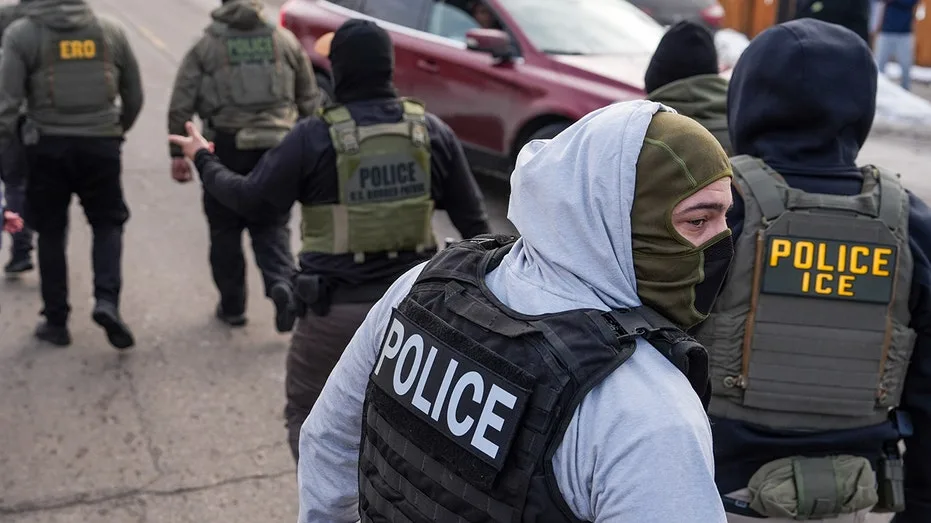
Federal Judge Temporarily Halts New York Law Restricting Mask Use by Federal Immigration Agents
A federal judge in New York has blocked parts of a state law that aimed to ban masks and require visible identification for federal agents, including those from ICE. The court found these provisions likely
Aug 4
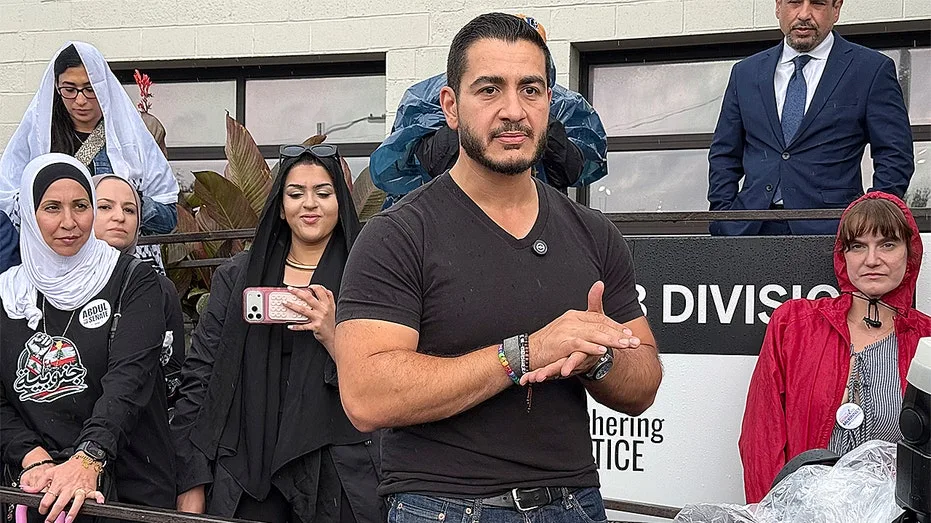
Abdul El-Sayed's Past Stance on Driver's Licenses for Undocumented Immigrants Resurfaces Amid Senate Bid
Democratic U.S. Senate candidate Abdul El-Sayed's 2018 comments advocating for driver's licenses for undocumented immigrants have re-emerged. The remarks, made during his gubernatorial campaign, highlight his view on
Aug 4