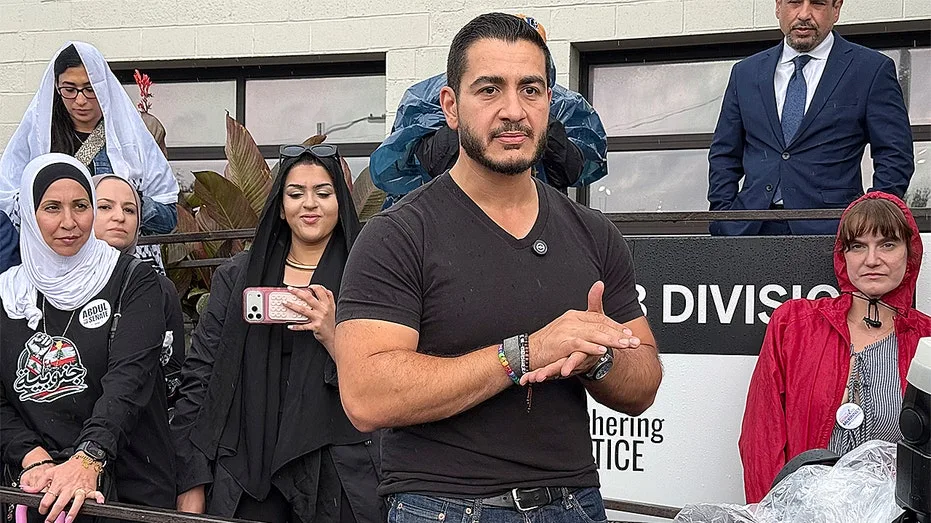
Abdul El-Sayed, a Democratic candidate vying for a U.S. Senate seat in Michigan, previously suggested that undocumented immigrants should be granted driver's licenses, arguing that denying them this access would constitute discrimination.
During a 2018 campaign interview, when El-Sayed was running for governor, he articulated his position: "We’ve got to make sure that in this state we are not discriminating against documentation status. Right now, if you’re undocumented, you don’t get access to a driver’s license. You’re stuck."
Eight years later, as El-Sayed seeks to enter the U.S. Senate, this recently uncovered video provides insight into his past views on how local governments should engage with non-citizens. It also prompts discussions about whether providing state identification to undocumented individuals might, in some ways, validate their presence in the United States.
The Broader Implications of State Identification
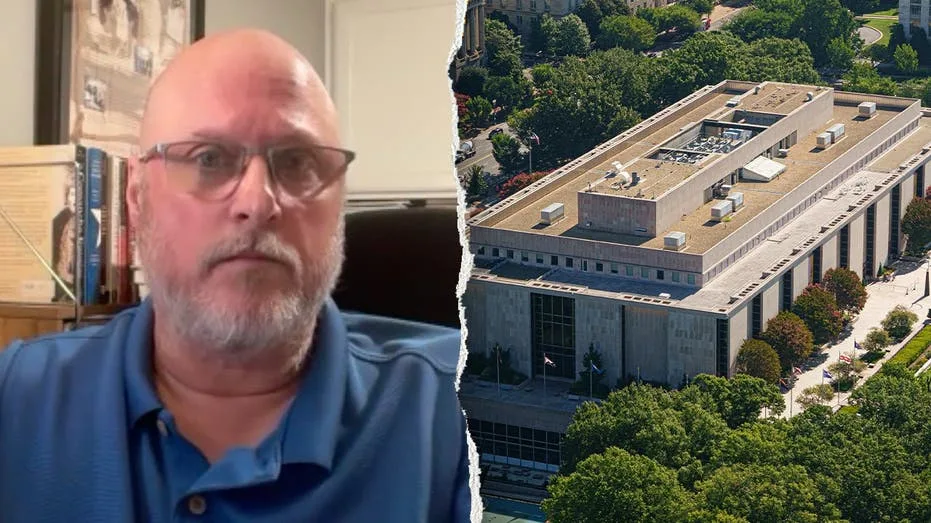
Hans von Spakovsky, an elections expert with Advancing American Freedom, explained that a driver's license can serve as a gateway to various governmental and financial benefits.
"Because America does not have a national ID card like the Europeans and other nations, state driver's licenses are a stand-in for that ID card. Issuing driver's licenses to aliens will help them in all the instances where a license is needed, from opening bank accounts to all types of other transactions," Spakovsky remarked.
Spakovsky highlighted that I-9 forms, which are used to verify employment eligibility, often require little more than a driver's license for identification.
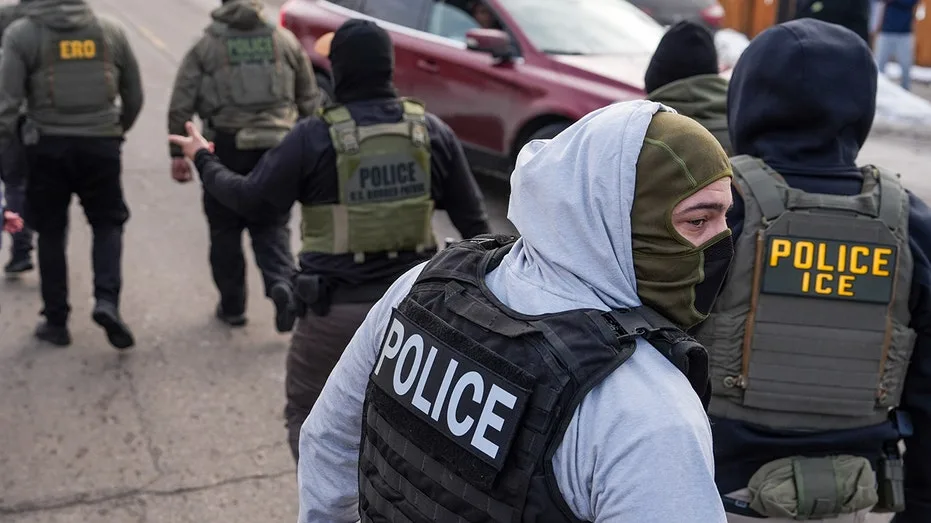
"The key to getting aliens to self-deport would be to ensure that they cannot rent apartments, open bank accounts and take all of the other steps necessary to live and work in the U.S.," Spakovsky asserted. He further added, "Providing them driver's licenses is a huge step in allowing them to easily live and work in the United States."
In the 2018 footage, El-Sayed appeared concerned that undocumented individuals would be excluded from some of these fundamental advantages.
"You don’t get access to a lot of the basic things that the state offers everybody else, and I think that’s ridiculous and so we’ve got to stop discriminating that way," El-Sayed stated.
El-Sayed's Progressive Policy Stances
Despite rejecting labels such as "progressive" or "far-left," El-Sayed has consistently advocated for policies that involve a more government-centric approach across several crucial sectors, including affordability, infrastructure, and public services.
His policy positions include supporting Medicare for All, opposing corporate tax breaks, and advocating for tuition-free access to higher education. When questioned about promises for increased government provisions made by candidates like Zohran Mamdani, El-Sayed expressed his belief that the Democratic party is moving in that direction.
Campaign Response and Upcoming Primary
El-Sayed's campaign did not immediately respond to inquiries seeking comment on the extent to which government services should be extended to non-residents. His campaign also did not address whether providing driver's licenses to undocumented immigrants would signify a tacit approval of their presence in the country.
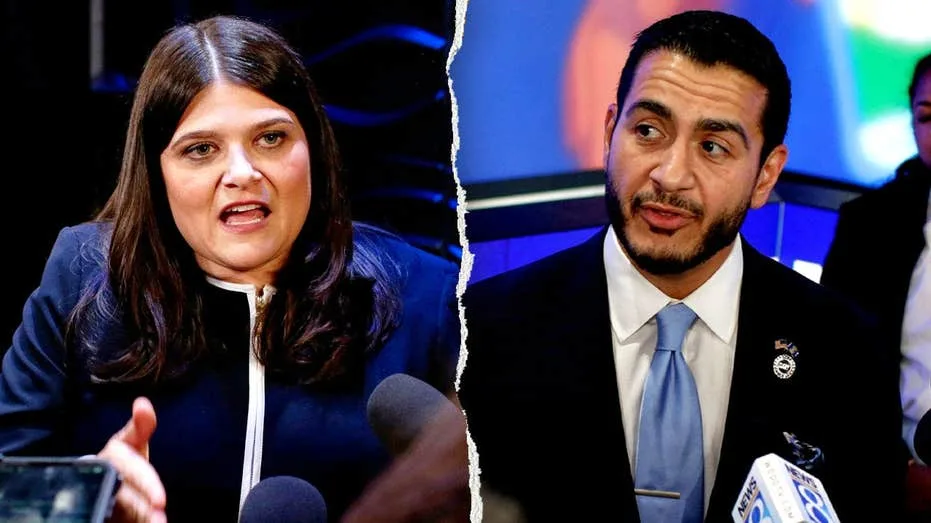
El-Sayed is scheduled to compete against Representative Haley Stevens in the state's primaries on Tuesday evening. The winner of this nomination will proceed to the general election on November 3.