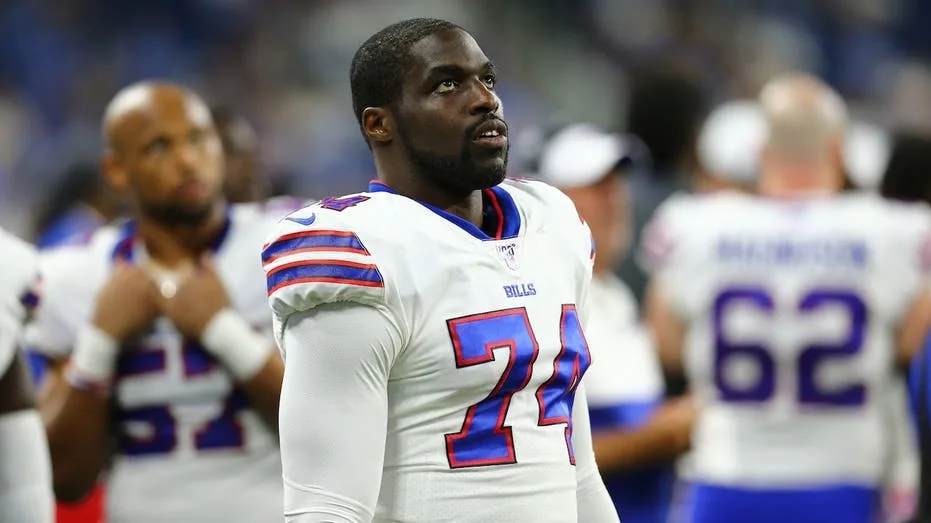
Sam Acho, a former NFL player and current ESPN NFL analyst, recently participated in the inaugural Reagan Civility & Democracy Forum, hosted by the Ronald Reagan Foundation Center on Civility & Democracy. During the event, Acho advocated for enhancing civility among Americans, particularly within the realm of sports.
Defining Respectful Dialogue
For Acho, civil discourse inherently includes the possibility of disagreement. He explained that consensus is not a prerequisite for civility. Using a football analogy, he noted, "In football, some people believe in a 3-4 defense; others prefer a 4-3. Some say you have to blitz to get to the quarterback. ... Others believe in playing coverage. … But the goal is the same: to win the game."
He extended this principle to society, especially for political leaders, stating that the ultimate objective should be to serve and improve the country. While individuals may hold differing views on specific policies or approaches, the underlying aspiration should always be the betterment of the nation.
Navigating Disagreement in the Locker Room
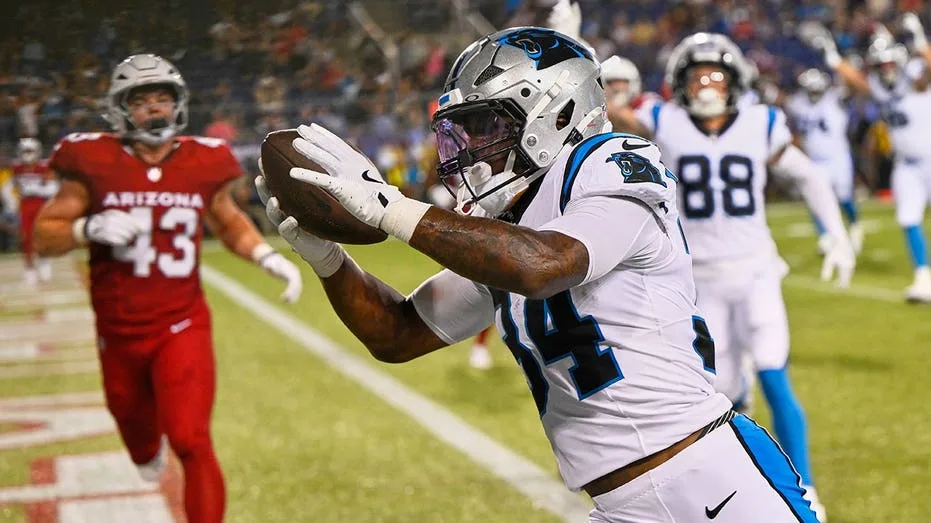
Acho confirmed that discussions about politics and other significant issues were common in NFL locker rooms. "Nowhere in the locker room was it not allowed to have certain conversations," he recalled. Beyond lighthearted debates, players regularly engaged in political discussions, analyzing presidential statements or gubernatorial actions. He specifically mentioned that conversations around Colin Kaepernick's national anthem protests were not avoided.
While acknowledging that interactions could occasionally become uncivil, Acho emphasized that these moments were typically resolved. "In any family, in any team, in any conversation, you may cross the line, but usually when you cross the line, you either apologize or they apologize, or you try to find a way to make it right." He added, "I'm not gonna pretend that we lived in a utopia. ... But when you cross the line or when you go out of bounds or when you make a mistake, OK, you either apologize, or when you lose, right, you shake hands, you move on, right?"
Acho highlighted the unique environment of a team, where proximity often necessitates reconciliation. "When the conversations did become uncivil, or maybe we had a big disagreement, I didn't drop my ball and walk away. No, I actually went and said, 'Oh, we have practice in like 15 minutes.' Then we had meetings in two hours. Then we were together at lunch the next day.'"
The Influence of an Athlete's Platform
Acho believes that athletes possess a powerful platform that many others lack. He encouraged quarterbacks, coaches, players, and other athletes to leverage this platform not only to express views on issues they care about but also to educate themselves thoroughly on those topics. He asserted that athletes, coaches, and executives should continue to speak up and remain informed.
He acknowledged the inherent risks associated with using one's platform to voice opinions but framed it as a fundamental aspect of life. "Everything comes with risk. Life comes with risk. ... But oftentimes it's not really about risk, it's more about ... how do you respond to defeat? How do you respond to adversity? How do you respond to, uh, something not going your way?" He shared his own experience as a television analyst: "When I'm on TV ... there's a risk that people may disagree with my opinion, but that doesn't mean that I just absolve myself from the conversation. It's understanding the risk ... and still moving forward with an educated perspective."
Acho strongly encourages athletes to recognize their identity extends beyond their athletic performance. "Oftentimes ... you, as an athlete, you think that, or people tell you, that you are what you put on tape. That you're only that, and you're more than just that." He spoke of "human capital" and "intellectual capital" alongside physical prowess, urging athletes to understand their multifaceted nature. This perspective, he noted, also applies to those in politics: "You are more than a governor or a senator. You should ask who you are becoming as you make decisions. Are you simply trying to gather as much power as possible, or do you recognize that there is something beyond one election or one vote?"
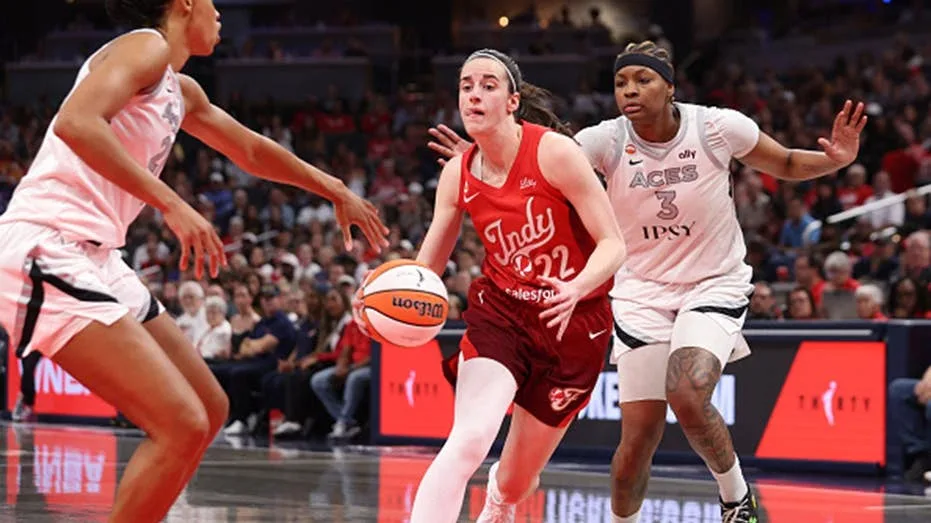
When asked about a specific instance involving another athlete, Sophie Cunningham, Acho stated he would need to review the details. However, he reiterated his general stance: athletes have an undeniable opportunity to use their platform responsibly. "I don't think that athletes should shy away from speaking up for what they believe. I think so many people in society, they speak up for what they believe. And know that, yeah, there's a risk involved for sure." He emphasized that athletes should continue to utilize and manage their platform effectively, even if it means not always being popular.
Sports Media's Responsibility
Acho also addressed the role of sports media figures in promoting civil discourse. He pointed out that many in sports media are former athletes who have transitioned from physical engagement to intellectual commentary. He stressed that these figures, too, possess significant platforms and must remember their responsibility. Citing Pat McAfee as an example of someone with a substantial platform on ESPN, Acho highlighted the influence media personalities wield.
"Your voice, your opinion, those things are yours. So they're yours to steward. They're not yours to say, 'OK, how can I gather as much power, as many followers as I can?' And just waste it. No, you're a steward."
Accountable Stewardship
To illustrate the pitfalls of poor platform stewardship, Acho recounted a college football game where Texas hosted Georgia. After a disputed call in the third quarter, Texas fans began throwing cans and bottles onto the field, aiming to delay the game and prompt a review. The referees eventually reversed the call, but Acho noted two key outcomes: Texas still lost the game, and the incident created a negative image for the university.
Acho emphasized the importance of acknowledging wrongdoing, even when it's inconvenient. "No, the call was wrong, but you don't go and say, 'I'm gonna just throw bottles on the field,' and say that that's OK." He concluded by urging everyone in sports and sports media, regardless of their position, to be willing to admit mistakes, even if it means accepting an unfavorable outcome. "And even if you try to, even if you do that thing that was wrong and, and, and, uh, you get the call that goes in your favor, what did you actually win?"