The Department of Defense has issued a directive to 30 American universities, instructing them to conduct comprehensive audits of their financial and research connections with foreign entities. Failure to comply with this order could result in the loss of federal research funding.
The mandate requires these institutions to thoroughly examine identified international collaborations and evaluate any potential exposure of sensitive or export-controlled research to foreign actors.
"The Department of Defense maintains a zero-tolerance stance on academic partnerships that jeopardize our national security," stated Emil Michael, Under Secretary of Defense for Research and Engineering. "Institutions receiving funding from American taxpayers are obligated to uphold the most stringent standards of research security, and these compulsory audits will ensure comprehensive accountability."
An official from the U.S. government confirmed the list of universities subject to this audit includes:
- Georgetown University
- Massachusetts Institute of Technology
- University of California, Berkeley
- University of California, San Diego
- University of Texas at Austin
- Emory University
- Harvard University
- Oklahoma State University
- Penn State University
- University of California, Los Angeles
- University of Cincinnati
- University of Minnesota
- University of North Carolina, Chapel Hill
- University of South Carolina
- University of Southern California
- Virginia Polytechnic Institute and State University
- Worcester Polytechnic Institute
- Bryant University
- Cornell University
- Drake University
- Duke University
- Illinois Institute of Technology
- Johns Hopkins University
- New York University
- Northeastern State University, Tahlequah (Oklahoma)
- Portland State University
- Southern Illinois University, Carbondale
- Stony Brook University
- University of Delaware
- University of Illinois, Urbana-Champaign
Beyond reviewing existing ties, these institutions must also develop and implement strategies to mitigate activities that might violate national security protocols. Where necessary, they are expected to terminate any "problematic partnerships" identified during the audit process.
"Universities serve as vital partners in the execution of numerous Department of Defense research programs," remarked Dr. Joseph Jewell, Assistant Secretary of Defense for Science and Technology. "It is therefore imperative that the Department ensures our research investments are adequately safeguarded against foreign exploitation."
Targeting Specific Foreign Entities
The audits specifically target foreign entities identified under Section 1286 of the Fiscal Year 2019 National Defense Authorization Act. This legislative provision lists 130 academic and research institutions primarily located in China, Russia, and Iran. These entities are noted for engaging in "activities that increase the likelihood of U.S. government-funded research and development efforts being misappropriated."
Past Concerns Highlighted: Harvard University
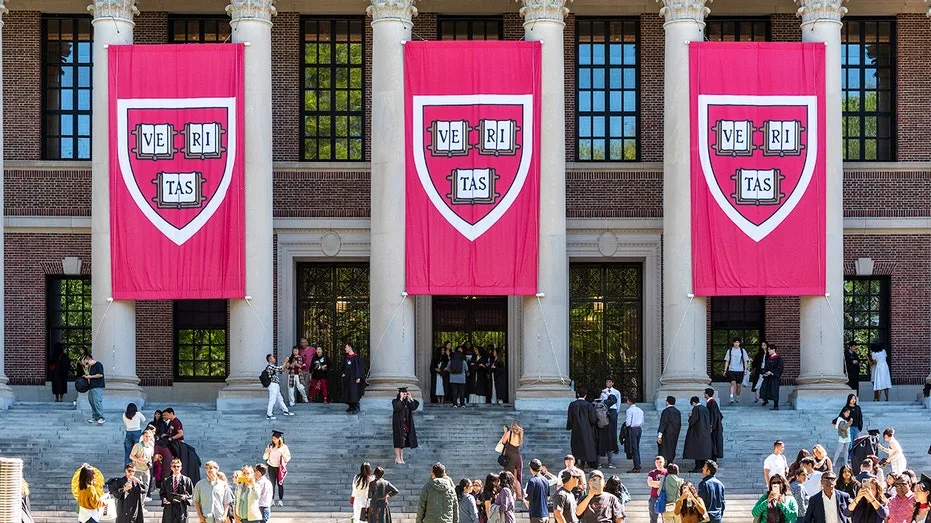
Recent findings have brought specific institutions into focus. A report indicated that Harvard University did not adequately protect research collaborations involving Chinese institutions. The report highlighted that researchers associated with the Ivy League institution co-authored over 140 publications with counterparts linked to a group of Chinese universities.
Furthermore, records from the federal Section 117 foreign-gift disclosure system show that Harvard reportedly received more than $600 million from China. This figure, cited in a report from the House Select Committee on the Chinese Communist Party, indicates Harvard received more foreign funding from China than any other American university, according to the Education Department's public dashboard.
These concerns are set against a broader backdrop, including a Reuters report from July stating that China has utilized outputs from U.S. artificial intelligence models to enhance its defense capabilities.
Broader Landscape of Foreign Influence
In recent years, numerous universities and colleges across the United States have opted to close their China-affiliated Confucius Institutes. These closures were driven by growing apprehension regarding the institutes' financial links to Beijing. Legislators have also voiced concerns about a $278 million network, reportedly established by tech entrepreneur Neville Roy Singham, which stands accused of disseminating Chinese Communist Party propaganda within the U.S.
Confucius Institutes describe their primary mission as offering instruction in Chinese language and culture to students. However, a 2023 watchdog report documented a swift decline in their presence at American colleges, plummeting from approximately 100 to fewer than five within a mere four-year span. The main factors contributing to these closures were federal funding restrictions imposed by National Defense Authorization Acts and mounting governmental pressure.